
Tokyo, Perfected
東京、完璧
A chic guide to where to stay, dine, and discover in Japan’s most electric city.
THE ESSENCE 本質
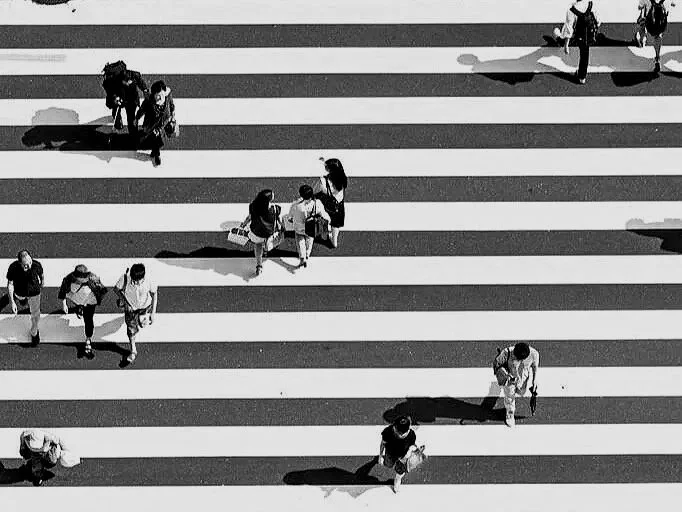
Tokyo is a city of contrasts. Where quiet, lantern lit streets exist just moments away from neon skylines and late night energy. It is precise yet playful, traditional yet relentlessly modern. To experience Tokyo well is to embrace both its stillness and its speed.
WHERE TO STAY
宿泊先

Aman Tokyo
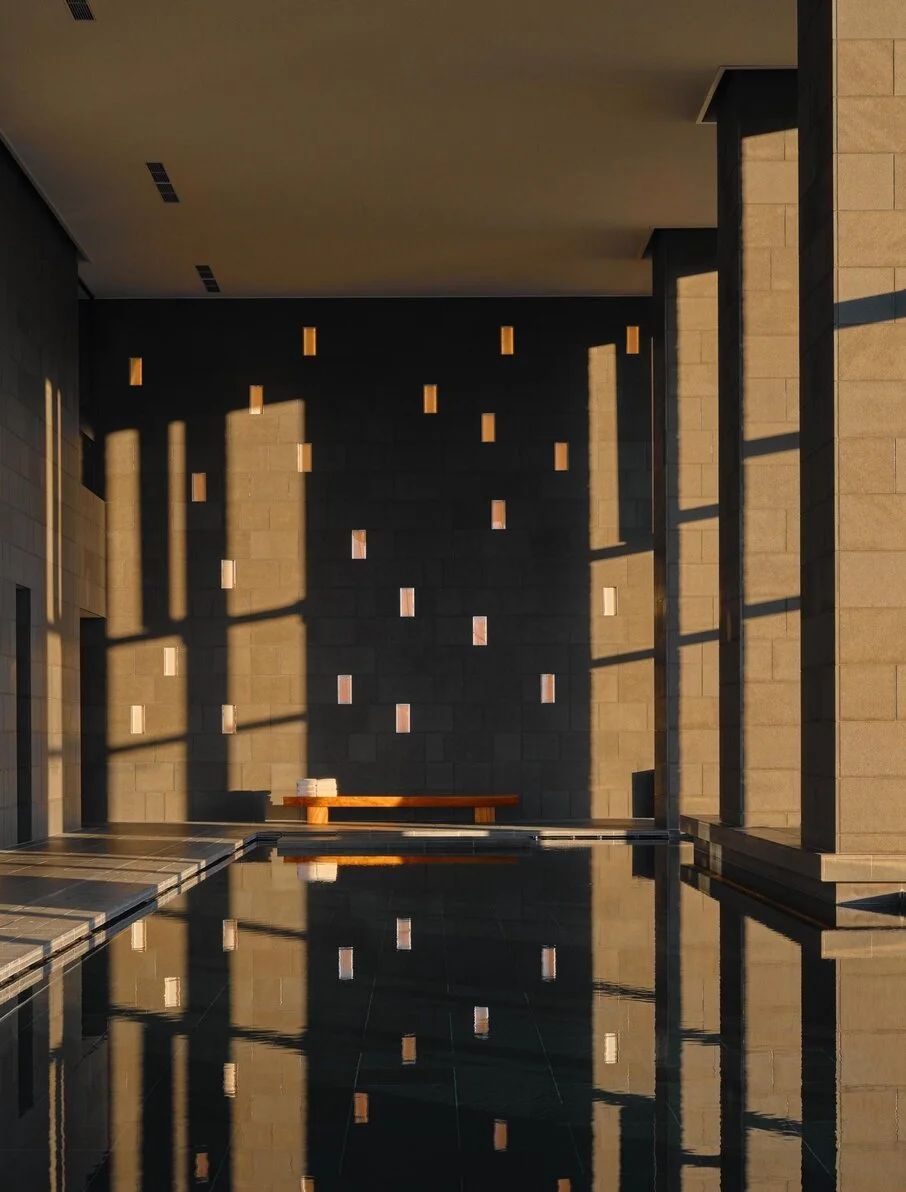
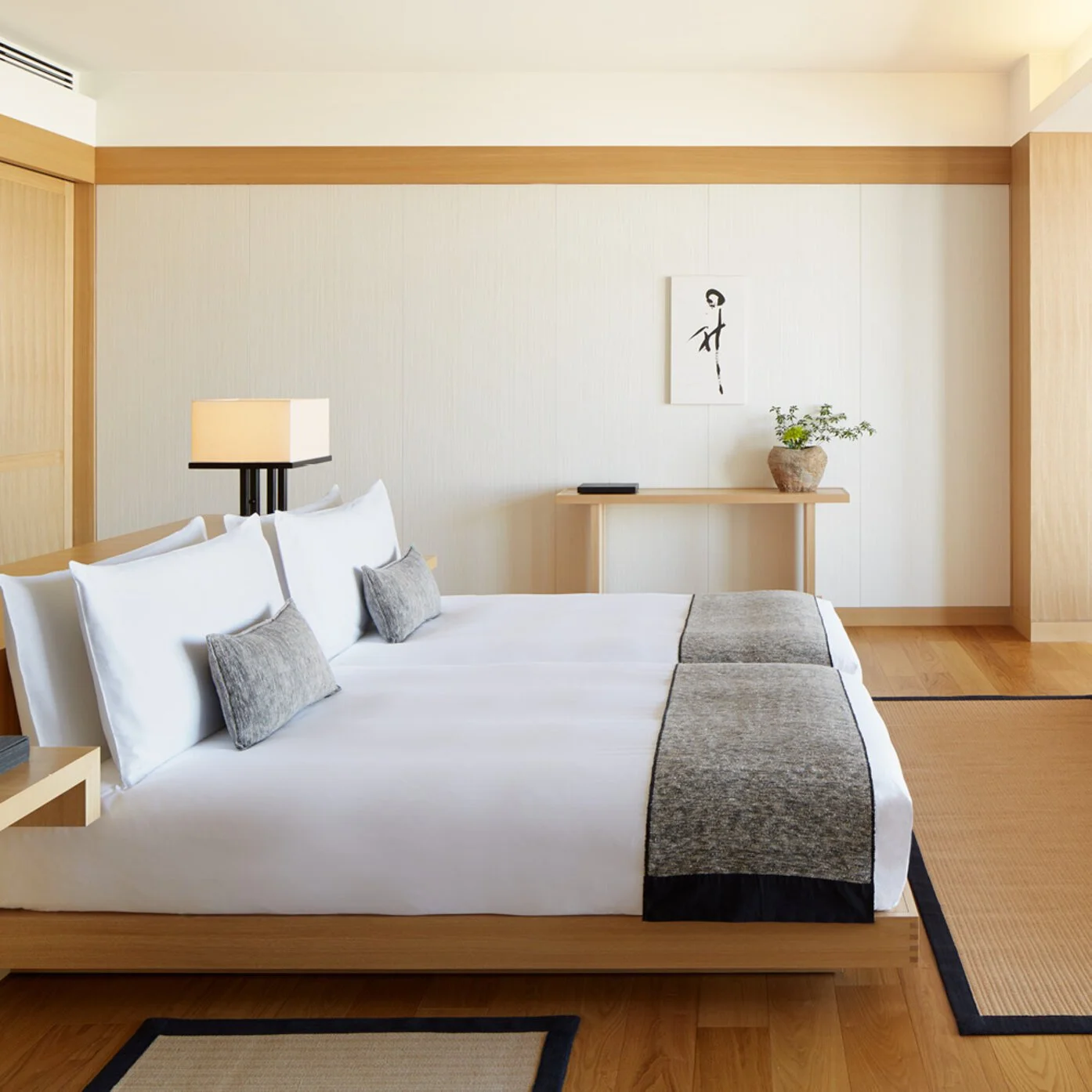
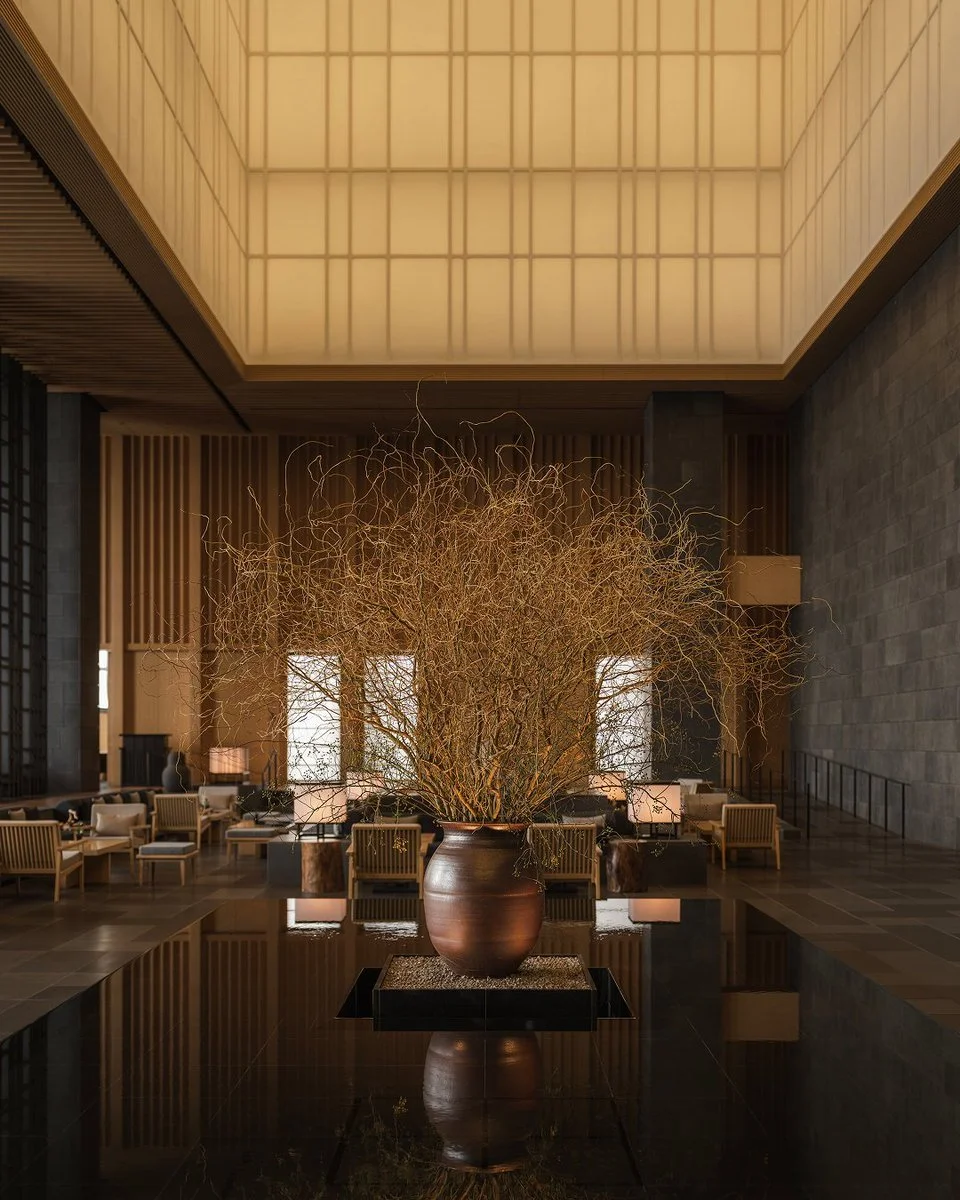
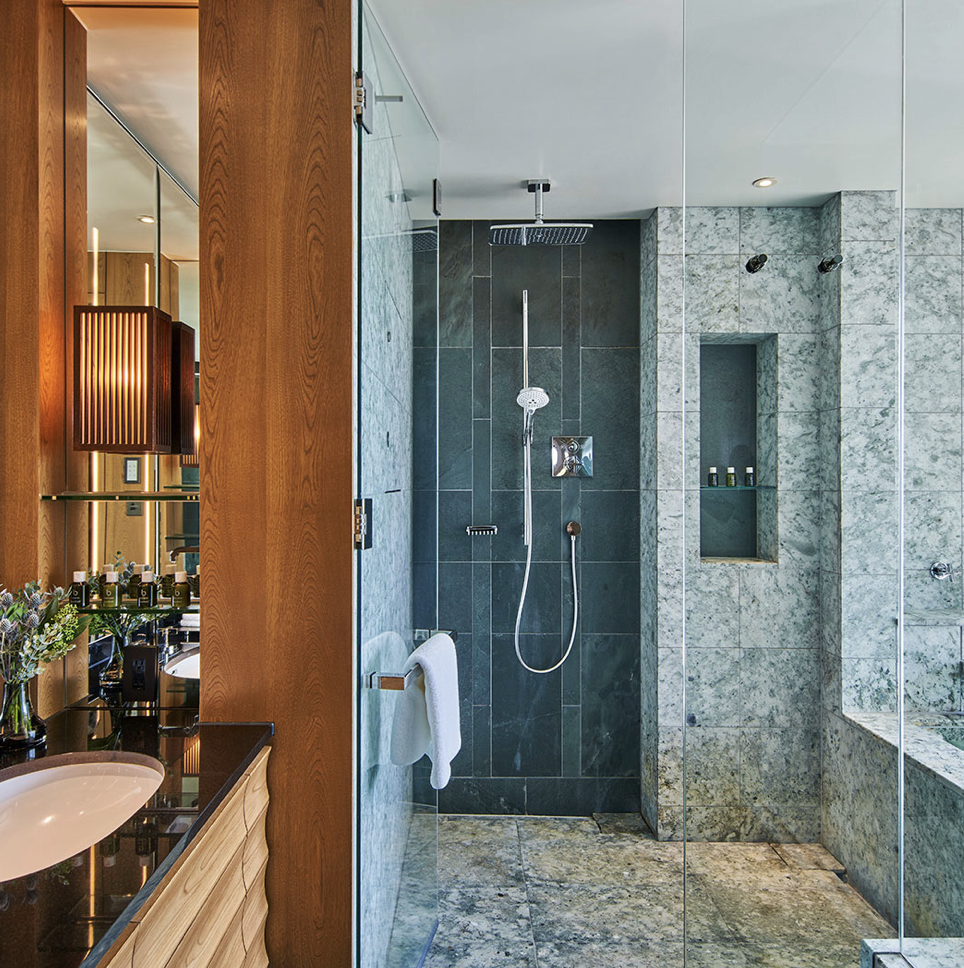
The most considered hotel in the city, and the one that resets your sense of what a Tokyo stay can feel like. Aman occupies the top six floors of the Otemachi Tower, where soaring thirty-metre ceilings, washi paper, and dark stone create a calm so complete it borders on physical relief. The rooms are vast by Tokyo standards, the spa is one of the finest in Asia, and the service is the kind you only notice in retrospect. If you stay one night anywhere in Tokyo, stay here.
Four Seasons Hotel Tokyo at Otemachi
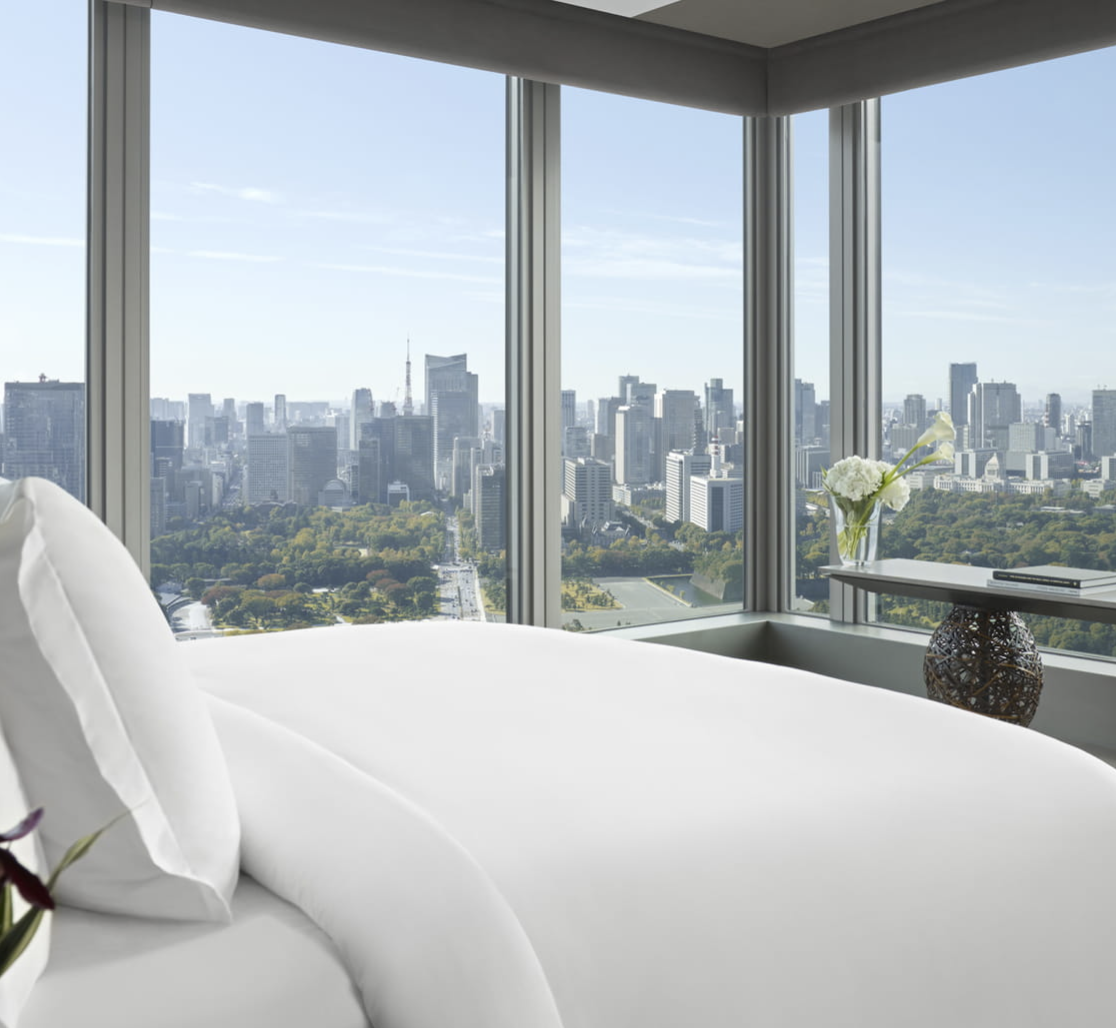
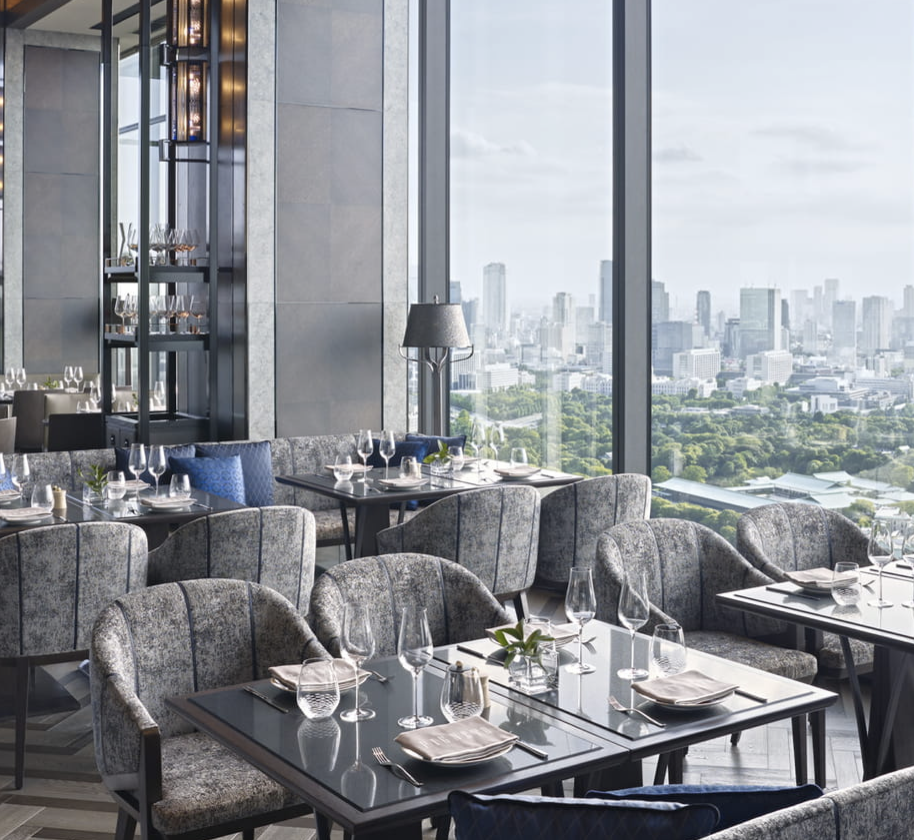
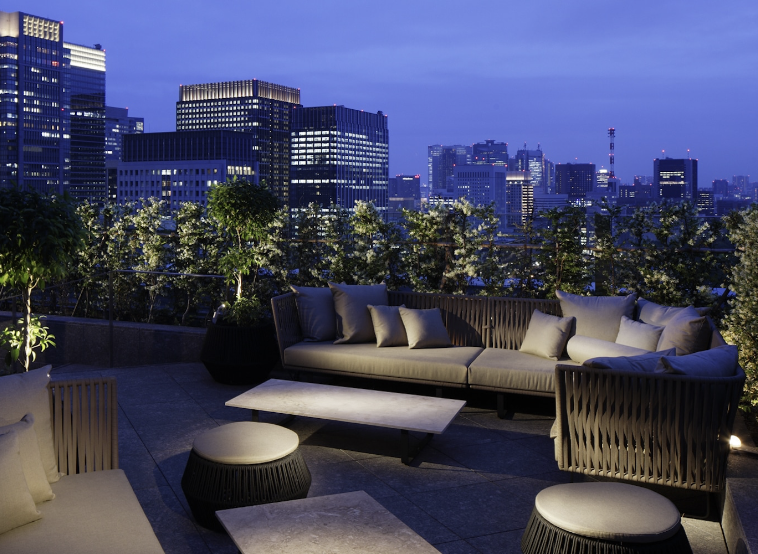
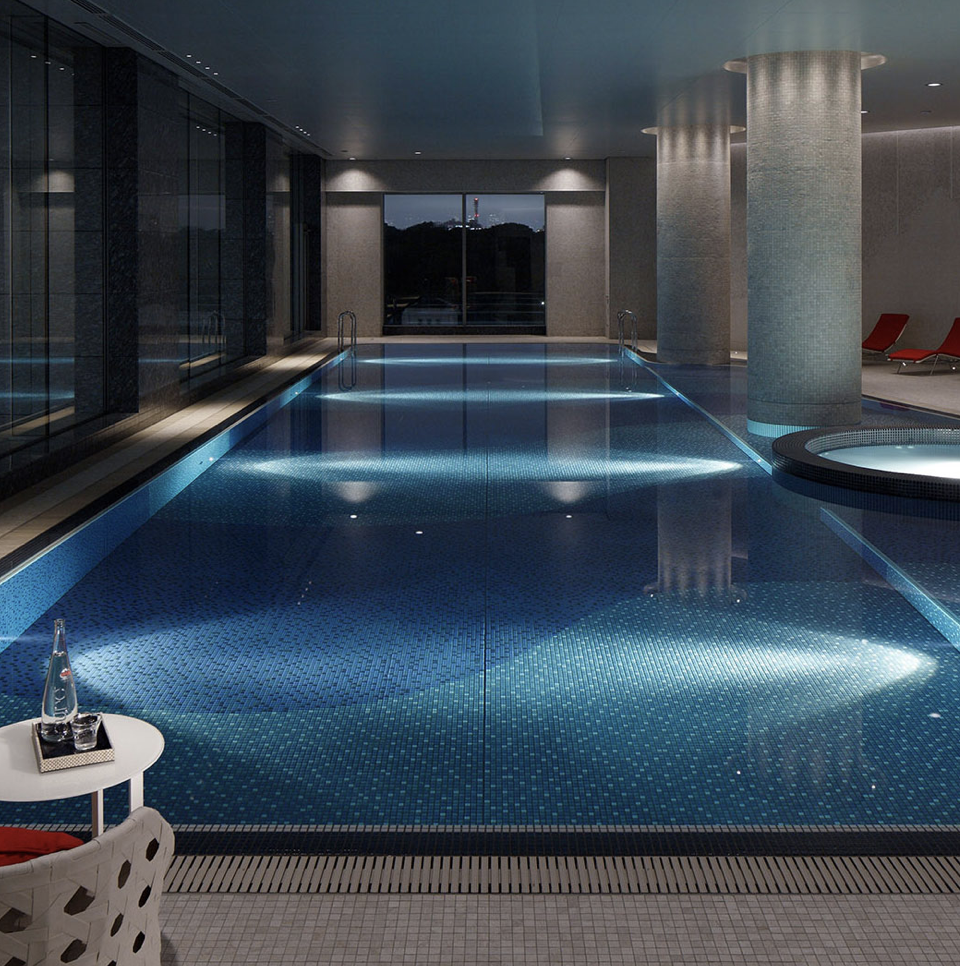
The most beautifully positioned hotel in the city. The thirty-ninth-floor lobby opens onto a panorama of the Imperial Palace gardens on one side and the Tokyo skyline on the other — the view is, genuinely, the room. Interiors are sleek and contemporary without tipping into cold; the rooftop pool and Est, the French restaurant, are both worth the trip alone. A different register than Aman — more modern, more urban — and the right choice for a first-time stay.
Palace Hotel Tokyo
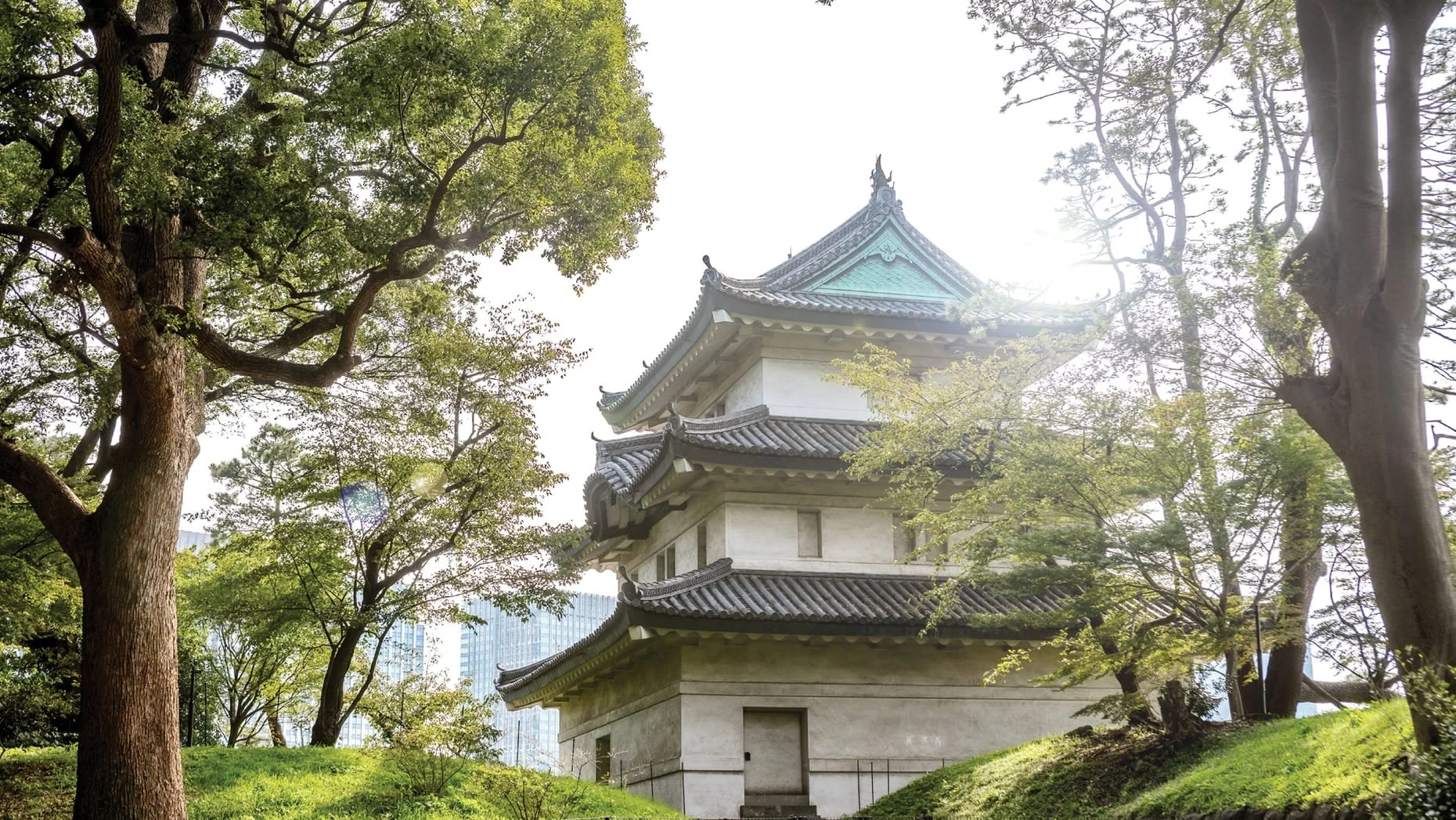
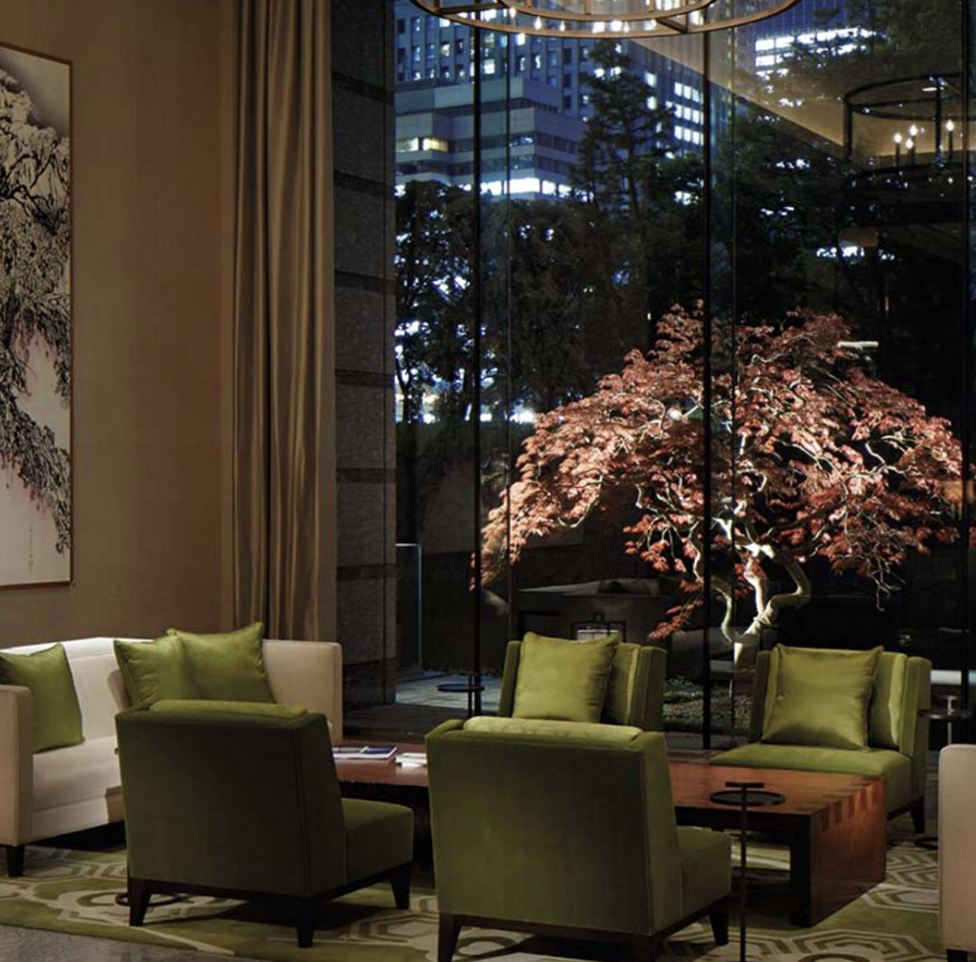
The grown-up answer. Palace sits directly across from the Imperial Palace gardens, and unlike most luxury hotels in Tokyo, almost every room has a balcony — a small, quiet luxury that changes how the city feels in the morning. The service is famously precise even by Tokyo standards, the spa is exceptional, and the lobby florist alone is worth a visit. Less of a scene than Aman or Four Seasons, which is precisely the point.
Honorable Mentions
The Tokyo EDITION Toranomon · Mandarin Oriental Tokyo · Bulgari Hotel Tokyo · Hoshinoya Tokyo · Janu Tokyo
Tokyo, Slowly
Tokyo rewards slowness more than any city we know. Here is where to begin.
Start at Tsukiji. Before the city is properly awake, the lanes behind the old fish market are already moving — knife shops, dashi vendors, tamagoyaki stalls, and a handful of small counters serving some of the freshest sushi in the world. Order the otoro. Around ¥10,800 for a single piece, roughly $70, and it is, without overstatement, the best you will have. The inner market may have moved to Toyosu, but Tokyo's love of precision still shows itself here first.
For dinner, the city offers a choice of moods. Torishiki, in Meguro, is yakitori taken so seriously it transcends the category — Yoshiteru Ikegawa works a small counter, grilling skewer after skewer over binchotan with a focus that borders on devotional. Den is the warmest fine-dining room in the city, and one of the funniest; Zaiyu Hasegawa cooks a kaiseki menu with a sense of play no one else has matched, including the famous "Dentucky Fried Chicken" that arrives in a custom red-and-white box. Narisawa is the opposite mood — Yoshihiro Narisawa's satoyama cuisine shifts with what the forest, sea, and farms can offer that week, and an evening there is closer to a meditation than a meal. Between them you have the city: technique, warmth, and quiet ambition.
Sushi deserves its own paragraph. Sukiyabashi Jiro Roppongi, run by Jiro's son Takashi, is the bookable answer to the original Ginza counter, and quietly may be the better seat now. Sushi Saito is the harder one — three seats, functionally closed to outsiders, but worth mentioning because pretending it doesn't exist would be dishonest. If you ever get the call, cancel everything else.
For something gentler, Path in Yoyogi-Uehara is the antidote to all of the above — a small café with a bakery in back and a queue out the door for what may be the best French toast in Tokyo. Slow-cooked, custardy, dusted with sugar, served with a quenelle of soft cream. Go early.
After dark, the bars. Bar High Five is, by quiet consensus, the best classic cocktail bar in the world — Hidehiko Ueno asks what you feel like and makes it, and every detail down to the temperature of the glass is exact. Bar Benfiddich, in Shinjuku, is the strangest and most memorable — Hiroyasu Kayama grows his own herbs and will mortar-and-pestle a drink in front of you. And for coffee, Koffee Mameya, in a small Aoyama lane, is closer to a tasting room than a café — three baristas, no seats, a guided conversation about exactly what you want.
For shopping, four neighbourhoods do the work. Ginza is the grand district — flagship maisons in buildings often more interesting than the stores inside (Renzo Piano's Maison Hermès, the Dior tower) and Itoya, a thirteen-floor stationery temple that captures Tokyo's love of small beautiful objects. Omotesando is the architecture avenue — Herzog & de Meuron's Prada, SANAA's Dior, Kuma's woven-wood Sunny Hills — best walked slowly, with detours into Cat Street for the Japanese contemporary brands. Aoyama, the quieter neighbourhood behind it, is where Issey Miyake, Comme des Garçons, Yohji Yamamoto, and Junya Watanabe keep their flagships within a few blocks of each other; if you only have one afternoon for shopping in Tokyo, this is it. And Daikanyama, the most personal of the four, is anchored by T-Site — a Tsutaya bookstore turned lifestyle destination where you can lose an afternoon without noticing.