
Los Angeles Dreaming
Los Angeles: the city of angels, where the dreamers meet and the restless go. It's become, arguably, one of the coolest places to visit— when done right. But how does one do LA right? How, in a city this sprawling, this electric, this awash in city lights, cabaret, and omakase? This editorial is the answer.
Where to Stay
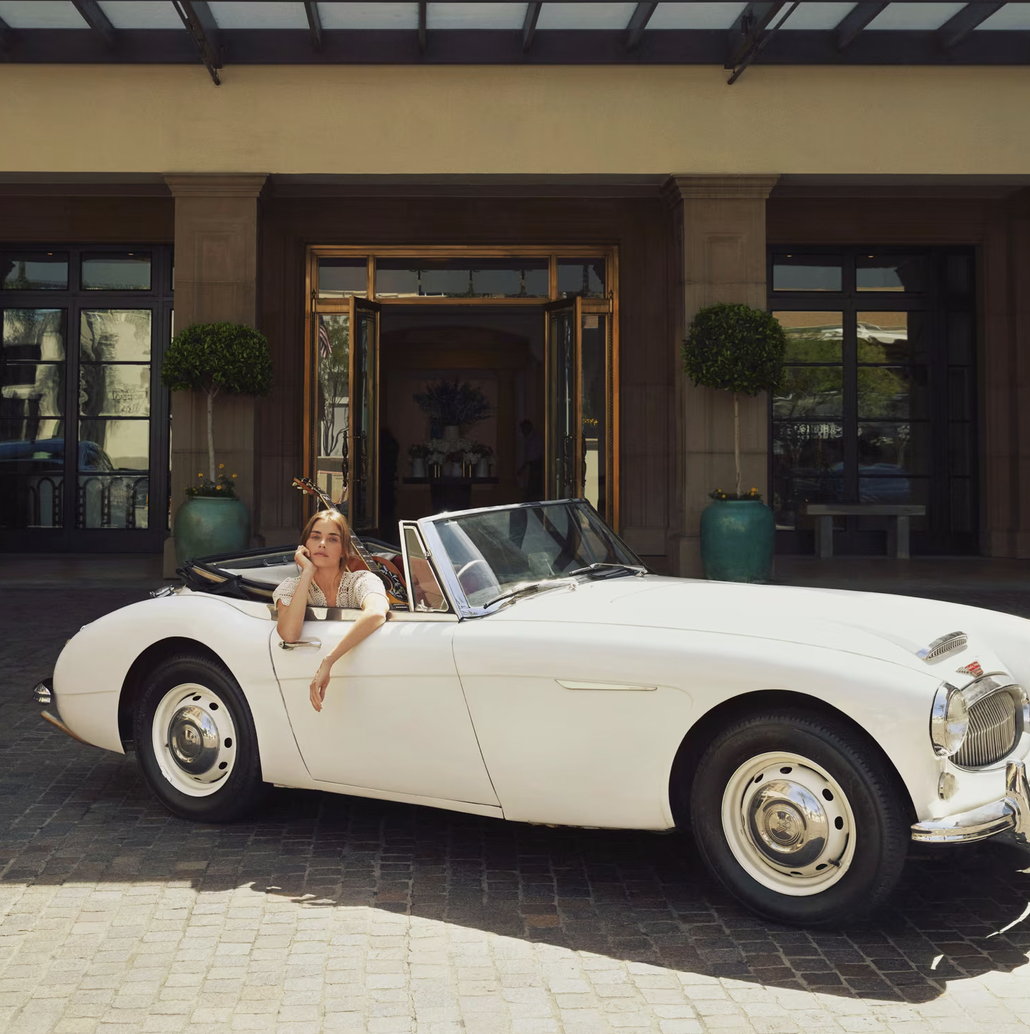
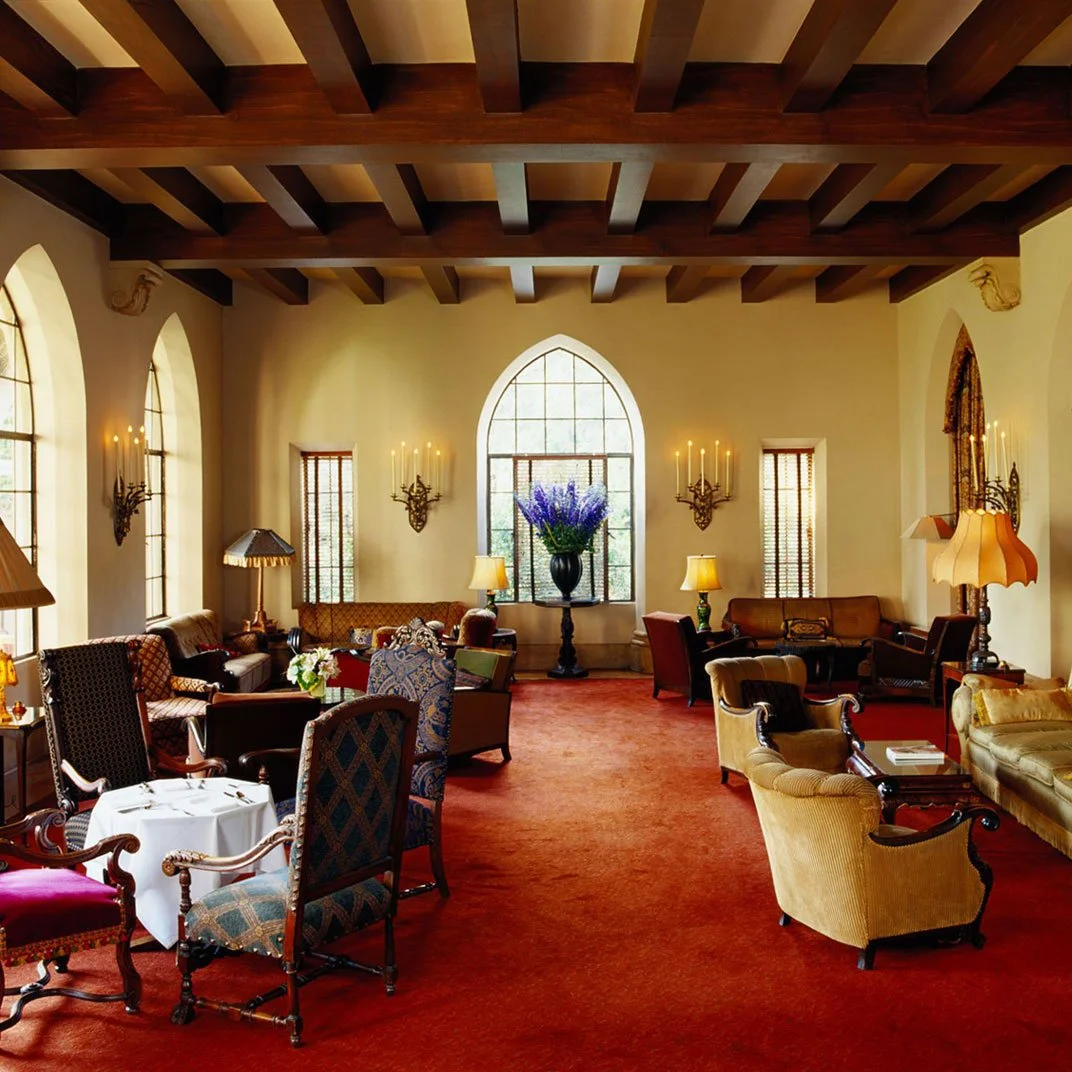
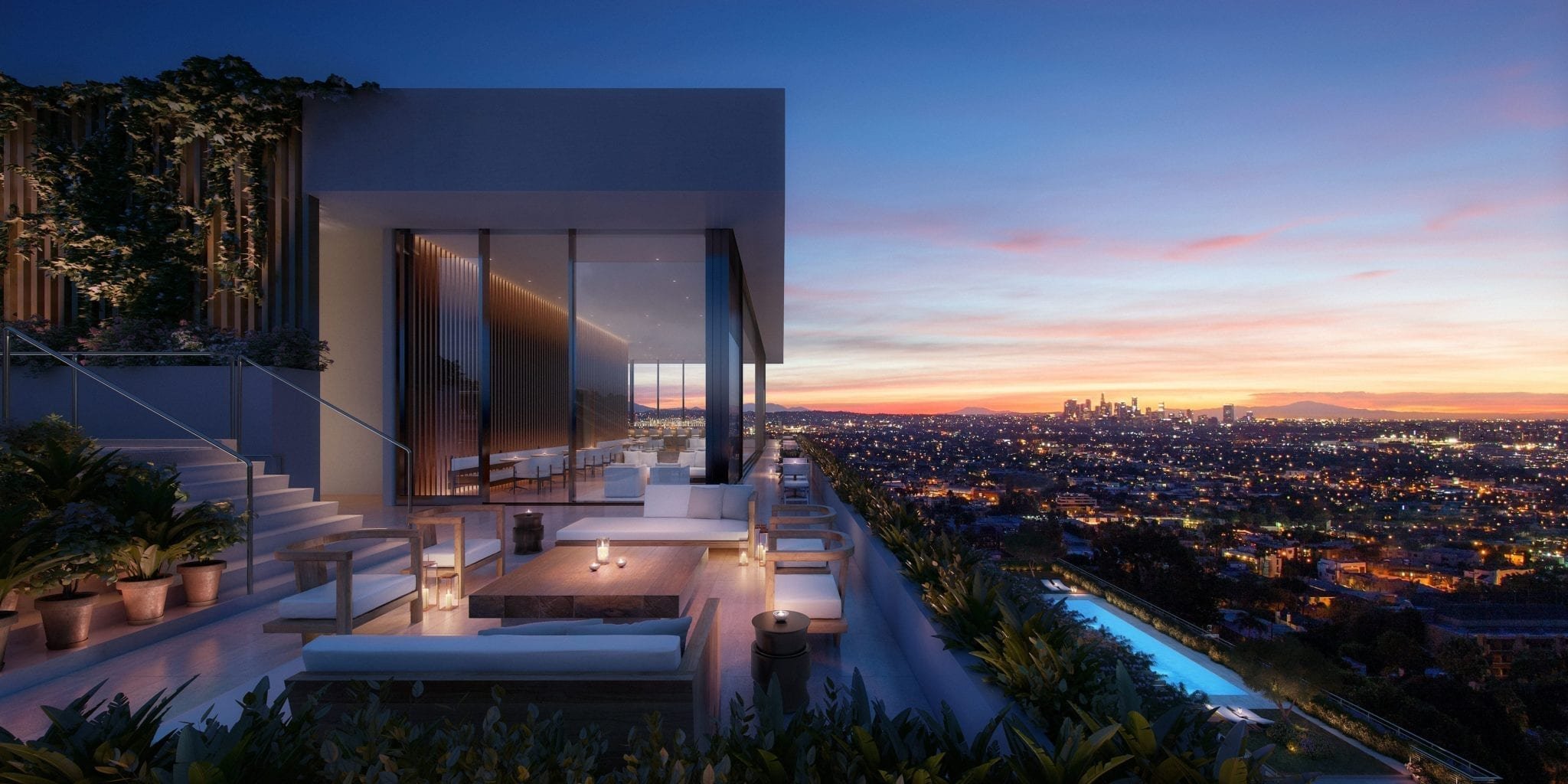
The Maybourne. Don't let the newness fool you. It's got the oldest pedigree on the list, even if the building only went up in 2008 as the Montage. London's Maybourne — the people behind Claridge's and The Connaught — bought it in December 2019, their first hotel outside the city, and you feel the London money in the details. Bryan O'Sullivan did the rooms in custom curved furniture, and the suites come with actual libraries; there's a history of LA punk shelved next to Bret Easton Ellis. Eat at Dante on the roof. It's the only one outside New York, and it's where the agents go.
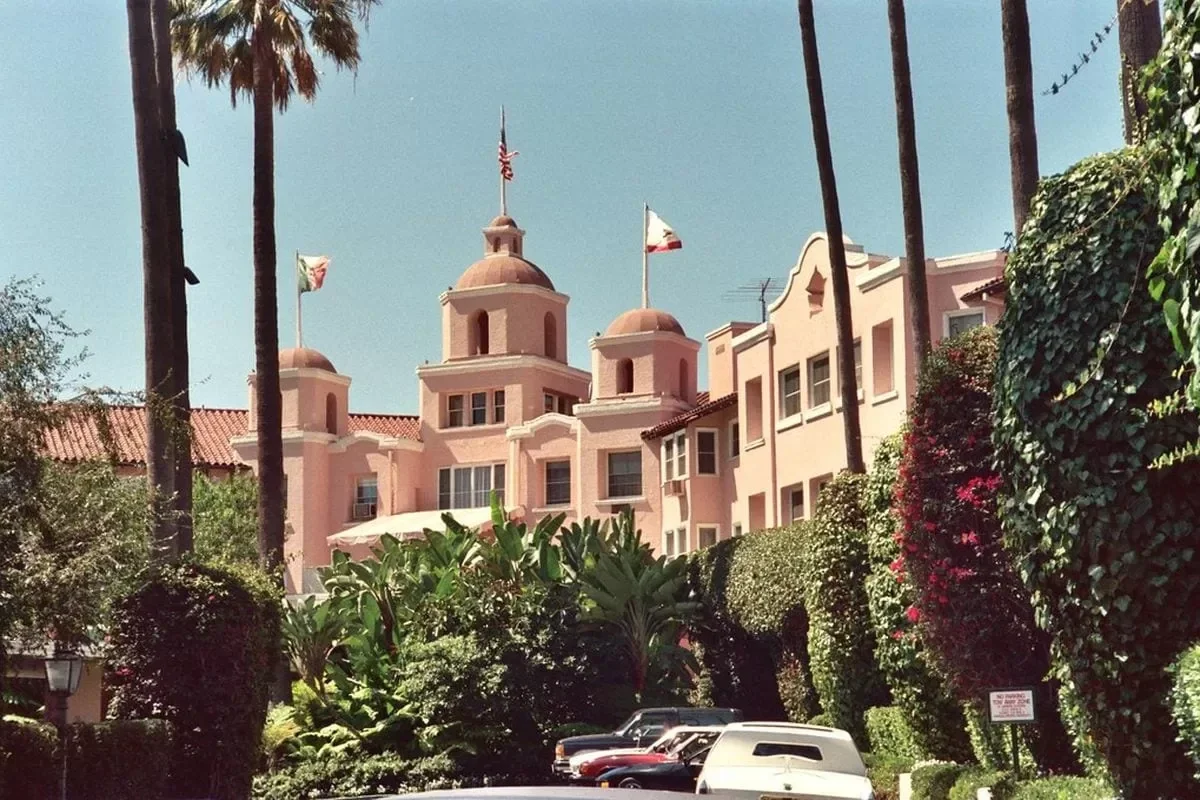
The Beverly Hills Hotel. The Pink Palace. The one everything else is measured against. It opened in 1912, two years before Beverly Hills was even a city, and didn't turn pink until 1948. That's it on the cover of Hotel California. Howard Hughes lived in the bungalows on and off for years and once had them deliver roast beef sandwiches to a tree he liked. Go down to the Fountain Coffee Room — the little curved counter under the banana-leaf wallpaper — and sit at the bar. Order the McCarthy salad while you're there. The kitchen sells close to 600 of them a week and hasn't touched the recipe in decades.
The Edition. This is where the night happens. The Persian crowd, the cool kids, the people you'll want to know by the end of the trip. Come for the room you don't sleep in.
Chateau Marmont. Everything you've heard is true, which is the whole point. A studio boss put it best in the thirties: if you want to be seen, go to the Beverly Hills Hotel; if you don't, come here. It was built in 1929 just past the city line on purpose — county land, lower taxes, fewer rules — and it's been a hideout ever since. Garbo used the side doors. The plaster walls are thick enough that you forget the Strip is right outside.
Its twin in spirit is the Sunset Tower up the road, a 1929 Art Deco tower on the National Register, and the bar everyone wants a table at — the Tower Bar — used to be Bugsy Siegel's apartment. Architectural Digest photographed the gangster's place there in the forties. One thing to retire: John Wayne never kept a cow on the balcony. Good story, didn't happen.
Hotel Bel-Air. The quiet one. Bring the family, bring nothing, just go and disappear into it. It started in 1922 as Alphonzo Bell's office and riding stables and became a hotel in 1946, built to feel like an oasis instead of an institution — no lobby to speak of, no sign from the road, and a pool laid into the footprint of the old riding ring. You can drive straight to your bungalow and never pass the front desk. You cross a bridge over Swan Lake to get in. And it's where Marilyn shot her last Vogue spread, six weeks before she died — Suite 261, the room sprayed with Chanel No. 5 before she arrived.
Where to Eat
People love to say LA isn't a food town. People are wrong, and they've been wrong for a while. This is the city of the strip-mall omakase counter and the $20 smoothie, the Thai taco night and the bagel line that stretches past the parking lot — and somewhere in that range is the best meal you'll have all year. The only hard part is knowing where to point yourself. So, by neighborhood:
The hard tables
These are the trophies — the reservations people set phone alarms for. Worth the effort, all of them.
Somni is the splurge to end all splurges: fourteen seats, one 7:30 seating a night, chefs in earpieces walking you through twenty-plus Spanish-leaning courses like a stage play. Aitor Zabala rebuilt it from the version the pandemic killed, and it's already back on North America's 50 Best. It's also the most expensive dinner in the city, north of $700 a head. Tables drop the first weekday of each month at 1pm. Set the alarm.
Providence is the grande dame — three Michelin stars, the seafood tasting that every other LA fine-dining room is quietly measured against. If you do one classic special-occasion dinner, do this one.
Kato is the smart-money pick. Jon Yao moved his Taiwanese-Californian tasting menu to ROW DTLA, climbed to two stars, and won a James Beard along the way. Here's the insider move: skip the $325 dining room and book one of the twelve bar seats, where the same kitchen sends out its greatest hits — smoked sturgeon, the milk bread — for $185. Best food-to-price ratio in the city, full stop. The bar seats go first.
n/naka is Niki Nakayama's modern kaiseki in Palms — quiet, exacting, the meal that made the rest of the country take LA fine dining seriously. Book weeks out.
The Funke empire is its own food group. Evan Funke makes the best pasta in the city and runs three of its hardest doors: Felix on Abbot Kinney in Venice (watch the pasta room through the glass), Mother Wolf in Hollywood (Roman, loud, gorgeous — reservations open seven days out at 9am, or grab the walk-in bar), and Funke, the Beverly Hills flagship with a glass pasta lab and a rooftop. Pick any one; you won't lose.
Holbox is the sleeper trophy — a seafood counter tucked inside Mercado La Paloma down in South LA, one Michelin star, and now ranked among the best restaurants in North America. The aguachiles are worth the drive on their own.
Beverly Hills
Matsuhisa is the one that started it all — Nobu Matsuhisa's original room on La Cienega, open since 1987, long before the name went global. Sit at the bar, don't over-order, let them feed you. Cipriani finally crossed the country in early 2024 and landed on North Camden: Bellinis, white tablecloths, heads turning when you walk to your table. Go upstairs to the Jazz Café for the old-Hollywood version of the night.
West Hollywood & the Strip
Sushi Park hides in a second-floor strip mall on Sunset Plaza and serves some of the most serious omakase in the city — no frills, no view, all fish. San Vicente Bungalows, if you can get past the door, is the members' club everyone whispers about: no phones, no photos, total discretion, courtesy of Sunset Tower's Jeff Klein.
For mornings, Dialog holds down the corner of Sunset and Holloway inside an old Rudolph Schindler building, and the breakfast burrito and chicken Caesar wrap have a cult that lines up around the block. Community Goods over on Edinburgh is the matcha-and-pistachio-toast spot the internet won't stop posting — the einspänner is worth the wait, barely — and its quieter sibling, The Architecture by Community Goods, sits a block over on Melrose like a hidden version of the same idea, half concept store, half café. Great White does the easy Australian all-day thing when you just want to sit in the sun and eat well without thinking about it. And Wake and Late makes one of the best breakfast burritos in town — pasture-raised eggs, handmade tortillas — out of an unassuming counter.
Hollywood & East Hollywood
Luv2eat Thai is the strip-mall destination — Phuket-style crab curry, jade noodles, real Southeast Asian heat, the kind of takeout worth crossing the city for. Saffy's is where the Bestia and Bavel team turned their attention to Middle Eastern fire: skewers, flatbread, the works, and some of the best cooking on the east side. Courage Bagels does Montreal-style bagels straight out of the wood oven in Virgil Village; the line is real and the bagels earn it. Café Telegrama in Melrose Hill is the slow-morning move — no wifi, jazz on low, and pancakes that quietly out-cook half the city.
Silver Lake & Echo Park
Pijja Palace is technically a sports bar, which undersells it wildly — the Indian-Italian mash-up (think tikka masala over pasta) is some of the most fun cooking in LA, and you can hold your table for a whole game. Reservations open at midnight for the same day a week out. Be ready.
Arts District & Downtown
Bestia is still the standard-bearer — industrial-chic, packed every night, the Italian menu that's been worth planning an evening around for over a decade. (For the tasting-menu version of downtown, Kato is two blocks of ambition away at ROW DTLA — see above.)
Larchmont & Mid-City
Max and Helen's is Phil Rosenthal and Nancy Silverton's love letter to the American diner, open since late 2025 on Larchmont and already pulling absurd waits — go on a weekday, order the pancakes. A few minutes away, Jar is the hidden gem nobody talks about enough: Suzanne Tracht's modern chophouse on Beverly, where the pot roast has been quietly perfect for twenty years.
The Valley
Anajak Thai in Sherman Oaks is the destination that made everyone learn to drive over the hill. Chef Justin Pichetrungsi turned his family's restaurant into one of the most celebrated rooms in America — Thai Taco Tuesday is the impossible reservation, but everything on the menu sings.
Brentwood & the Westside
Brentwood Country Mart is the open secret — a low-key courtyard where Farmshop runs a market and restaurant so good it justifies the drive on its own (and Reddi Chick's rotisserie out the window is the move when you want it cheap and perfect). Jon and Vinny's is non-negotiable; the Brentwood room is calmer than the Fairfax original, and the spicy fusilli is the dish you'll think about later. Layla's Bagels is the Santa Monica obsession — get there early. And The Georgian, the restored 1933 Art Deco hotel on Ocean Avenue, gives you dinner with the Pacific right there; the Georgian Room is the prettiest old-glamour room in town.
Malibu
Nobu Malibu is the cliché for a reason. Book the sunset, sit on the deck over Carbon Beach, and let the Pacific do the rest.
Groceries (which, here, count)
Laurel Supply is the new one everyone's posting — the Laurel Hardware team spent years turning the 1947 Ritts furniture showroom (yes, photographer Herb Ritts's family's old building) into a market so deliberately beautiful it reportedly out-Erewhon'd Erewhon, which sits a block away. Organic everything, a butcher, a sushi counter, a wood-stone pizza oven, gelato, an in-house flour mill. It opened with no press and let TikTok do the rest. Erewhon is the original of the genre — less a grocery store than a lifestyle you buy by the basket. Stock the bungalow, or just go to gawk at the $19 strawberry. Both belong on this list and you know it.
Where to Shop
LA doesn't shop like New York or Paris. There's no grand department store, no single golden mile that does it all. The good stuff is scattered, hidden, often unmarked — a concrete bunker here, a house with a pool there — and half the pleasure is knowing which door to walk through. Here's the map.
Maxfield is where to start, because everything else is downstream of it. The most serious fashion store in the city and arguably the world: a windowless concrete warehouse on Melrose with replica Easter Island heads out front and an all-black cavern within. Tommy Perse (yes, James Perse's father) opened it in 1969 as Maxfield Bleu, was the first to bring Armani, Comme des Garçons and Yohji Yamamoto to California, and has spent fifty years curating it like an art gallery that happens to sell clothes. Rick Owens, Margiela, vintage Hermès by the rack, rare furniture, actual human skulls. There's a Jean Prouvé prefab house grafted onto the building as a display space. Browsing here is a contact sport. (There's a smaller beach-essentials outpost in a weathered-wood barn at the Malibu Country Mart, if cashmere-by-the-sand is the mood.)
Melrose Place
The Row, the Olsen twins' store, is the one to see — tucked inside a mid-century house so discreet it's invisible from the street. You walk past a reflecting pool and an olive tree (planted for a late friend) to reach the clothes, which hang almost as an afterthought against the architecture. No photos, no logos, handbags that cost a mortgage payment. The rest of the block is a quiet roll call of one-off West Coast flagships: Marni with its porthole windows, Isabel Marant in a garden of sculptures, Chloé, Bottega Veneta, and the appointment-only Salon Gucci behind an ivy-covered façade. Madhappy, Jacquemus, and Byredo are also amazing as well.
Melrose Avenue
Cherry LA is the cool LA-born label everyone's wearing — handmade in the city, somewhere between cowboy and Harajuku, the kind of place Jimmy Butler wanders into. STAUD just opened a two-story Melrose flagship for its tenth anniversary, all gallery-white and architectural, with Sarah Staudinger's own ceramics sold in-store and the cult Wally boots up front. Wasteland, behind its red metal facade, is the designer-vintage anchor of the street — pre-loved Bottega, Westwood corsets, bargain Chanel pumps, the occasional Birkin. And for hype resale, Round Two and Flight Club are both here, the latter a temple of rare sneakers.
The Sycamore District
LA's coolest new micro-neighborhood, and the reason to come is Just One Eye — Paola Russo's 13,000-square-foot gallery-boutique where Warhol, Hirst and Murakami hang on the walls, there's furniture designed by Brad Pitt, and the racks run Gucci, Prada, The Row and Celine alongside cult names like OAMC. It makes Maxfield look almost restrained. This is the room for the person who already owns everything.
La Brea
Union LA is the one the whole industry respects — Chris Gibbs has run it since the early '90s as the multi-brand store that launches careers, mixing Bode, Awake, Fear of God, Marni and Raf Simons with its own in-house line. American Rag has been the cavernous mainstay since 1984, new designer and vintage under one roof. And The Way We Wore is Doris Raymond's couture archive — racks of museum-grade Pucci, Halston, vintage Chanel and YSL, where stylists and designers actually source. Less a store than a library you can wear.
Sunset Plaza
H. Lorenzo is the avant-garde stalwart — Lorenzo Hadar's spread of Rick Owens, Comme and the darker, more directional end of the spectrum, split across men's, women's and shoes. There's an archive offshoot downtown stocking past-season Helmut Lang and Raf for the people who know exactly what they're hunting.
Fairfax
The most concentrated streetwear strip on the West Coast. Supreme's LA flagship anchors it, with Undefeated for sneakers and 424 for the menswear that ends up on A$AP Rocky. The smartest stop is Brain Dead — the post-punk art collective turned label, with a store and an attached cinema (Brain Dead Studios) that doubles as the cultural center of the whole block.
Arts District & Downtown
Departamento is the fashion crowd's secret — a speakeasy-style entrance (there's a "concierge coffee" front), no prices shown anywhere, and a gallery-like space of fashion-forward labels you discover by wandering. RSVP Gallery handles the art-streetwear crossover. Fashionphile runs its expanded LA flagship out at ROW DTLA, where pre-loved Hermès and Chanel get authenticated and the most coveted bags live in a climate-controlled vault they call "The Cage." It's resale, but at the level where it stops feeling like resale.
Silver Lake & the Eastside
Mohawk General Store on Sunset (freshly renovated) is the elevated-cool standard — selective designers, music, mid-century furniture, one store for men and one for women. This is the LA that gets dressed without trying to look like it's trying.
Around West Third & Culver City
Cleo, new on West Third, is the community-driven version — social-first and emerging designers making their retail debut, with an in-house matcha bar to keep you lingering. Out at Culver City's Platform, Wyeth (founded by Jacey Duprie of Damsel in Dior) is the antidote to fast fashion: perfectly tailored shirts, cashmere, things built to outlast the season.
Venice & Abbot Kinney
The beach version of all this: The Great for lived-in Americana, Heist for quiet European labels, Burro for gifts and oddities, and Strange Invisible Perfumes for organic scent made just up the road. Lower-key, sun-bleached, easy to spend an afternoon in.
Beyond clothes
Two institutions worth the detour: Amoeba Music in Hollywood, the largest independent record store on earth and a genuine landmark, and The Last Bookstore downtown, a former bank turned cathedral of used books and vinyl, with that famous tunnel of stacked spines upstairs.